

Views: 0 Author: Site Editor Publish Time: 2025-11-15 Origin: Site


Electric bikes (e-bikes) have revolutionized outdoor cycling, offering a boost to riders of all levels. However, this innovation has sparked debates about whether e-bikes should be allowed on trails. Concerns about their impact on the environment, trail safety, and infrastructure are central to this discussion.
In this article, we will explore why e-bikes are often banned or restricted from certain trails. You'll learn about the environmental challenges, safety risks, and regulatory concerns that shape these restrictions.
One of the primary concerns regarding e-bikes on trails is the increased wear and tear they cause to the trail surface. Due to the added motor and battery, e-bikes are significantly heavier than traditional bikes, and this added weight puts extra strain on the trail. As electric bikes travel at higher speeds and with more torque, they cause more substantial damage, especially in soft soil or narrow paths. The higher speeds of e-bikes also accelerate the erosion of trails, as the motorized assistance enables riders to cover more ground, leading to quicker degradation.
The added weight of e-bikes not only accelerates the erosion process but also leads to deeper ruts, which are harder to repair. As these bikes travel over delicate terrain, the damage they cause becomes more pronounced, and trail maintenance becomes more frequent and costly. This can cause long-term issues for trail systems, especially in sensitive or high-traffic areas.
Another environmental concern is the disturbance that e-bike use can cause to local wildlife. The motorized noise of an e-bike can be disruptive in remote areas where wildlife relies on quiet surroundings to thrive. In addition to the noise, e-bikes travel faster than traditional bikes, which can negatively affect wildlife by disturbing their natural habitats. These disturbances can affect local ecosystems, including feeding, mating, and migratory patterns, as well as the broader biodiversity of the area.
E-bikes, by allowing faster access to trails, can also encourage more people to explore remote areas, further encroaching on wildlife habitats. This increase in human activity in once quiet, protected areas could push species out of their natural ranges, leading to declines in local populations.
In areas designated as national parks, wildlife reserves, or other protected spaces, preserving the ecosystem is paramount. These areas are often home to fragile ecosystems that could be easily disrupted by the presence of motorized vehicles, including e-bikes. To protect these ecosystems and maintain their health, many trail managers implement strict restrictions on e-bike usage. These restrictions are designed to minimize human impact, ensuring that trails remain in their natural state and that the wildlife residing in these areas is not disturbed.
For instance, some protected areas are considered vital for conservation, and e-bike use in these spaces could potentially disturb the delicate ecological balance. The introduction of motorized vehicles—such as e-bikes—could lead to a significant loss of biodiversity, further stressing the importance of maintaining trails as natural sanctuaries for wildlife.
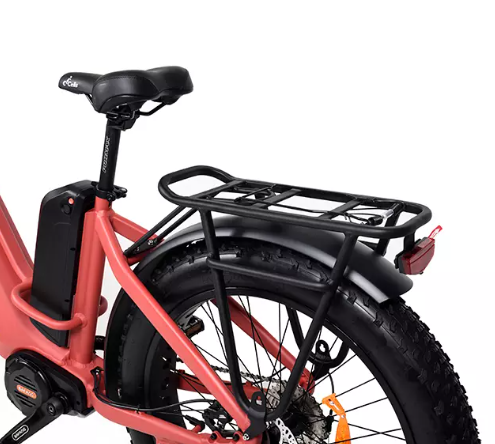
A significant safety concern regarding e-bikes is their speed. While traditional bikes typically travel at speeds of 10-15 mph, e-bikes can reach speeds of 20-28 mph, depending on the model and terrain. This speed differential increases the risk of collisions between e-bike riders and pedestrians, hikers, and other cyclists, especially on narrow trails or crowded areas. E-bikes can approach pedestrians or slower cyclists at high speeds, which could lead to accidents if riders do not have enough time to react.
The increased speed of e-bikes poses a unique challenge for trail users. Pedestrians, cyclists, and other non-motorized trail users may struggle to keep pace with the faster-moving e-bikes, increasing the likelihood of dangerous situations. In areas where users have different levels of experience or physical capability, the speed difference can create an environment where safe interaction becomes more difficult.
| Type of Bike | Average Speed (mph) | Top Speed (mph) |
|---|---|---|
| Traditional Bicycle | 10-15 | 20 |
| Electric Bike (eBike) | 12-20 | 28 |
As more e-bike riders join traditional cyclists and hikers on popular trails, congestion becomes an increasing problem. E-bikes allow more people to use trails at once, which may cause overcrowding. On busy trails, especially in popular outdoor destinations, this can result in dangerous situations where cyclists and pedestrians struggle to share the path. E-bikes, with their added speed, further exacerbate this issue by creating situations where slower users are unable to navigate the trail as quickly or safely.
In addition, some trails were not designed to accommodate higher-speed cyclists, which makes congestion more likely. Narrow trails with limited space can lead to bottlenecks, putting all trail users at risk. In such scenarios, conflicts are almost inevitable, and the risk of accidents increases substantially.
One of the unique challenges of e-bike use is that it opens up cycling to a broader range of people, including those with little or no experience riding on trails. While e-bikes provide assistance to riders who may not have the strength or endurance to cycle traditionally, they also present a challenge for inexperienced riders who may struggle to control their bike at higher speeds. This can result in accidents, especially for riders who are unfamiliar with the intricacies of trail navigation.
New e-bike riders may not be as aware of trail etiquette, such as yielding to pedestrians or slowing down when passing others. This lack of experience, combined with the higher speeds that e-bikes offer, increases the potential for accidents, making it more difficult for all trail users to share the space safely.
Many e-bikes are classified as motorized vehicles due to their electric assistance, which automatically excludes them from many trails that are designated as non-motorized. This classification results in e-bikes being banned from trails where other vehicles—such as motorcycles or ATVs—are also prohibited. While e-bikes offer a less invasive experience compared to other motorized vehicles, their motorized nature places them in the same category, often leading to restrictions or outright bans.
The classification of e-bikes as motorized vehicles has created confusion for cyclists who want to enjoy trails without disturbing the environment. The regulatory landscape for e-bikes is still evolving, and the lack of clear definitions has made it difficult to develop consistent policies for e-bike access across different parks and municipalities.
The regulations regarding e-bike usage vary widely depending on location. In some areas, e-bikes are allowed on multi-use trails, while in others, they are restricted. This inconsistency leads to confusion for cyclists who are unsure of where they can legally ride their e-bikes. The varying laws across states, municipalities, and park systems make it challenging for riders to keep up with the ever-changing rules. As e-bike technology advances, the regulatory landscape must evolve to provide clearer guidelines and a more uniform approach to e-bike access.
Different areas approach e-bike usage differently, creating a patchwork of policies that vary based on location and the specific needs of the area. For example, some states have adopted more lenient policies, while others have enacted strict bans. This inconsistency makes it difficult for riders to plan trips, especially when they are unfamiliar with local regulations.
| Region | eBike Policy | Allowed on Trails? | Limitations |
|---|---|---|---|
| California | Class 1, Class 2, Class 3 eBikes allowed | Yes | Must use designated lanes |
| New York | Class 1 eBikes only | Yes | No motorized vehicles on state park trails |
| Colorado | Class 1 and 2 eBikes allowed | Yes | Only on multi-use trails |
| National Parks (USA) | All motorized vehicles restricted | No | No eBikes allowed at all |
Another challenge is the lack of infrastructure to support e-bike use on trails. Traditional bike trails were not designed to accommodate the specific needs of e-bikes, such as the need for wider paths, charging stations, or lanes for faster cyclists. As e-bike use increases, it becomes essential for land managers to consider how existing infrastructure can be adapted or enhanced to support e-bike riders safely.
Currently, many trails are not equipped with the infrastructure necessary to accommodate higher-speed, motorized bicycles. This lack of infrastructure is a major barrier to integrating e-bikes into existing trail systems and ensuring that all users can enjoy the outdoors safely.
E-bikes place additional strain on trail maintenance budgets. Their added weight and torque cause faster erosion and more frequent repairs, particularly on soft, unpaved surfaces. The extra wear and tear caused by motorized bicycles increase the need for trail upkeep, which often means higher maintenance costs for local governments and park managers.
As e-bike use increases, the cost of maintaining trails suitable for motorized traffic can become unsustainable, particularly in areas where budgets are already stretched thin. Trail managers must carefully balance accessibility with the cost of maintaining the trails in good condition.
The financial burden of accommodating e-bikes on trails goes beyond maintenance. Additional infrastructure, such as wider paths, charging stations, and safety barriers, requires significant investment. In many areas, the cost of implementing these upgrades can strain budgets, leading to potential conflicts between trail managers and local governments.
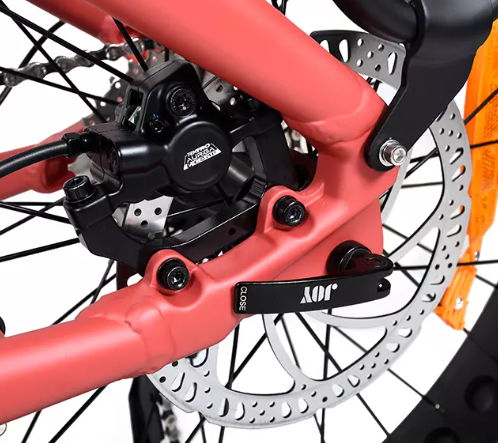
While some trails restrict e-bikes, there are many multi-use trails and greenways that are open to electric bikes. These spaces provide an ideal environment for e-bike riders to enjoy the outdoors while minimizing conflicts with hikers and traditional cyclists. Multi-use trails often have the space to accommodate both motorized and non-motorized users, allowing everyone to share the trail safely.
Some parks and recreation areas have developed specific trails designed for e-bike use. These dedicated trails provide a safer space for e-bike riders while ensuring that traditional cyclists and hikers are not negatively impacted. By separating different user groups, dedicated e-bike trails can help reduce congestion and improve safety.
In urban areas, bike lanes designed specifically for e-bikes are becoming more common. These lanes provide a safe environment for e-bike riders while reducing the risk of accidents on busy streets. Additionally, private trails and bike parks often welcome e-bikes, with specific guidelines to ensure responsible use. These alternatives offer a space for e-bike riders to enjoy their hobby without conflicting with other users.
Before heading out on a trail, e-bike riders must familiarize themselves with local regulations to ensure they are following the law. Different regions have varying rules on where e-bikes are allowed, their speed limits, and specific trail restrictions. Some trails may allow only certain classes of e-bikes, while others may prohibit them altogether. By researching local rules beforehand, riders can avoid fines, ensure safe riding, and reduce the risk of conflicts with other trail users. Always check for any specific regulations, such as whether motorized vehicles are allowed, as some trails might require special permits for e-bikes.
Safety is a top priority for e-bike riders. Riders should always maintain a speed appropriate for the trail and conditions. This means slowing down when approaching pedestrians, hikers, or slower cyclists, and yielding the trail when necessary. It's also crucial to stay in control of the bike, especially at higher speeds. Riders should be aware of their surroundings and anticipate sudden obstacles, such as loose gravel or wildlife. Practicing good trail etiquette—like signaling when passing and keeping a safe distance—ensures a safer experience for everyone. Remember that e-bikes can move faster than traditional bikes, so extra care is needed to maintain control and avoid accidents.
Riders must be mindful of their environmental footprint when using e-bikes on trails. This involves staying on designated paths to prevent damage to surrounding vegetation or ecosystems. Riders should avoid riding in wet or muddy conditions, as e-bikes can exacerbate trail erosion in these conditions. Following Leave No Trace principles is also key to preserving the natural environment. This includes disposing of waste properly, not disturbing wildlife, and respecting the trail by not making unnecessary detours. By being conscious of their impact, e-bike riders help protect the trail for future generations, ensuring that all trail users can continue to enjoy the outdoors responsibly.
As the popularity of e-bikes continues to rise, many parks and trail systems are revisiting their policies. Some are experimenting with pilot programs to assess the impact of e-bikes on trail conditions and user safety. These evaluations are crucial to creating fair and effective policies that balance access with environmental and safety concerns.
Innovations in e-bike technology are helping address some of the concerns surrounding their use on trails. For example, quieter motors and more eco-friendly designs could reduce noise and environmental disruption. Additionally, advancements in battery technology could improve the sustainability of e-bikes, allowing them to be used on trails without the same level of environmental impact.
eBikes provide significant benefits, such as better access to outdoor activities and improved mobility for all riders. However, their use on trails raises challenges, particularly related to environmental impact, safety concerns, and infrastructure requirements. By addressing these issues collaboratively, e-bike riders can enjoy trails without disrupting the experience for others or harming the environment.
Zhejiang Eshion Technology Co.,Ltd offers cutting-edge e-bikes that balance power and efficiency, providing riders with superior performance on various terrains. Their commitment to quality ensures a smooth and eco-friendly riding experience for outdoor enthusiasts.
A: eBikes are banned due to concerns over their environmental impact, increased trail erosion, and safety risks from higher speeds, which can be dangerous for other trail users.
A: An electric bike (eBike) is a bicycle with an integrated electric motor that assists with pedaling, providing riders with extra power for easier riding on varied terrains.
A: eBikes can cause faster trail degradation and disrupt wildlife habitats due to their higher speeds and increased weight compared to traditional bikes.
A: Yes, many parks and trails now offer designated eBike lanes or specific trails for electric bikes, providing safer and more sustainable options for riders.
A: Always check local regulations, ride at safe speeds, and respect other trail users. Minimizing environmental impact by avoiding wet conditions is also important.
A: eBikes make it easier to cover longer distances and tackle challenging terrain, offering greater accessibility for riders of all skill levels and physical abilities.


