

Views: 0 Author: Site Editor Publish Time: 2025-11-14 Origin: Site


Are you confused about whether to choose a 500w or 750w electric bike? The right choice can make all the difference in performance, comfort, and cost.
In this article, we’ll dive into the key differences between a 500w and 750w eBike. You’ll learn how motor power, speed, torque, and energy efficiency affect your ride.By the end, you'll have a clear understanding of which motor best suits your needs.
When shopping for an electric bike (eBike), one of the first decisions you’ll face is whether to go with a 500w or 750w motor. Both motors have distinct advantages, but understanding their differences can help you select the best option for your needs.
Wattage refers to the power output of the motor in an eBike. In simple terms, a higher wattage motor, such as the 750w motor, delivers more power, allowing for greater speed and the ability to tackle tougher terrain. On the other hand, the 500w motor strikes a balance between power and energy efficiency, making it ideal for more casual rides.
The wattage rating essentially determines how much assistance the motor can provide while you pedal. The higher the wattage, the more help you'll receive, particularly when climbing hills or tackling challenging surfaces.
500w Motor: This motor is perfect for lighter, urban commuting. It offers adequate power for daily rides, making it an energy-efficient option for those who don’t require high performance.
750w Motor: If you’re looking for higher performance, especially for more demanding terrain like steep inclines, this motor is the better choice. With its increased power, it provides a more powerful, faster, and smoother riding experience, making it ideal for more adventurous riders.
Motor power plays a crucial role in the overall performance of an eBike. Both the 500w and 750w motors provide pedal assist, but the stronger 750w motor offers more robust support. This makes it better suited for hill climbing and off-road adventures, where the 500w motor may struggle to keep up.
Commuting: The 500w motor is ideal for city commutes or leisurely rides on flat terrain. It’s efficient and provides enough assistance for most riders.
Off-roading or Mountain Biking: For tougher terrain, the 750w motor excels. It delivers the extra torque needed to navigate rough trails and steep inclines, making it the top choice for off-road enthusiasts.
If you plan to ride on varied terrains or steep hills, you’ll find that the 750w motor provides a more comfortable and efficient ride, allowing you to maintain a good pace even on challenging surfaces.
| Feature | 500w Motor | 750w Motor |
|---|---|---|
| Power Output | 500 watts | 750 watts |
| Ideal Use | City commuting, casual riding | Off-roading, long-distance rides |
| Speed | Max speed: 20 mph (32 km/h) | Max speed: 28 mph (45 km/h) |
| Torque | Lower torque, good for gentle inclines | Higher torque, ideal for steep hills |
| Range | Longer range per charge | Shorter range due to higher power consumption |
| Cost | More affordable | More expensive |
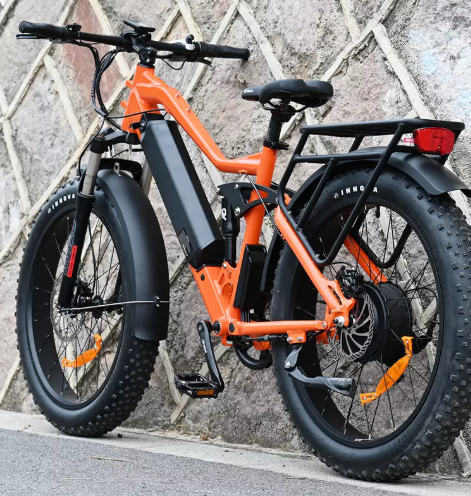
Speed and acceleration are key areas where the motor power really matters. With more wattage, you can expect greater speed potential and faster acceleration, particularly when starting from a stop or tackling inclines. Riders who enjoy high speeds or need to get to their destination quickly will definitely appreciate the added power of the 750w motor.
The top speed of an eBike is often regulated, but motor power plays a significant role in how fast the bike can go. Here’s how the two motors compare:
500w Motor: Top speed is around 20 mph (32 km/h), which is perfect for city commuting and leisurely rides. The moderate speed ensures comfort and energy efficiency, especially for short-distance travel.
750w Motor: This motor can reach speeds of up to 28 mph (45 km/h), which makes it ideal for long-distance rides or faster commutes. The additional power helps maintain high speeds, even on inclines or rough roads.
The 750w motor is a better option for riders who need to cover longer distances quickly or want a faster ride on open roads.
Acceleration is where the 750w motor truly outperforms the 500w option. With the additional power, the bike accelerates much faster, making it especially useful in urban environments where stop-and-go traffic is common or on hilly terrain.
500w Motor: While sufficient for smooth accelerations, it may struggle to speed up quickly from a stop, particularly when climbing an incline.
750w Motor: Thanks to its extra power, the 750w motor provides quicker acceleration and maintains higher speeds even on challenging terrain. It’s particularly effective when you need to get up to speed quickly or navigate through busy intersections.
If fast starts or frequent acceleration are important to you, the 750w motor is the clear winner, offering greater flexibility and performance.
Torque is the force that helps your eBike climb hills and maintain speed. A motor with higher torque allows for easier hill climbing and smoother rides, especially when carrying heavy loads. This is a critical feature if you plan on riding in areas with frequent inclines or rough terrain.
The 750w motor delivers significantly higher torque than its 500w counterpart, making it better suited for steep inclines. The increased torque ensures that the motor can help you climb hills with less effort.
500w Motor: It performs well on moderate slopes and urban hills but may struggle on steep inclines or with heavy loads. Riders may have to exert more effort to maintain speed on steeper hills.
750w Motor: This motor excels at handling steep hills and rough terrain, making it perfect for riders in mountainous areas or those who enjoy off-road adventures. It can maintain speed and reduce the strain on the rider, even on the most challenging inclines.
For those living in hilly areas or regularly carrying heavy loads, the 750w motor will offer better performance, ensuring a smoother ride and less physical effort.
| Motor Power | Climbing Ability | Best for |
|---|---|---|
| 500w | Moderate hill climbing | Urban areas, moderate inclines |
| 750w | Steep hill climbing | Off-roading, mountainous regions |
Battery efficiency and range are essential factors when choosing an eBike. The more powerful the motor, the more energy it consumes, which can impact the overall range of the bike. Understanding the trade-offs between power and range will help you make the best choice.
500w Motor: This motor is more energy-efficient. It consumes less power per mile, providing a longer range per charge. Riders who need to cover long distances without frequent recharging will find the 500w motor to be a more practical choice.
750w Motor: Because it’s more powerful, the 750w motor consumes more energy, which results in a shorter range compared to a 500w motor with the same battery capacity. Riders who use higher assist levels or ride on demanding terrain may need to recharge more frequently.
Example: A 500w eBike with a 720Wh battery can travel up to 55 miles on a full charge, while a 750w eBike with the same battery might only cover 40-45 miles.
The 500w motor generally provides more range because it consumes less power. However, if you prioritize performance over range, the 750w motor offers better performance, albeit with slightly less mileage per charge.
| Motor Power | Battery Capacity | Estimated Range (with 720Wh battery) |
|---|---|---|
| 500w | 720Wh | Up to 55 miles |
| 750w | 720Wh | 40-45 miles |
The size of the motor impacts not only the bike’s performance but also its weight and handling. Larger motors, such as the 750w, add more weight to the bike, which can affect how it handles, especially when maneuvering or transporting the bike.
A 750w motor is generally heavier than a 500w motor, which contributes to the overall weight of the bike. The extra weight can affect handling, especially when maneuvering or lifting the bike.
500w Motor: Lighter and easier to handle. Ideal for city commuting where portability is important. Lighter bikes are also easier to store and maneuver through tight spaces.
750w Motor: Heavier, which may affect portability but is more stable at higher speeds or on rough terrains. The added weight provides greater stability when riding at higher speeds or on uneven surfaces.
While a 500w eBike is easier to carry and store, the added weight of a 750w eBike can be a disadvantage if you need to lift or transport it frequently. The extra weight may make it more cumbersome, especially if you have to carry it up stairs or store it in a small space.
500w eBike: Easier to handle and more portable, making it a great choice for daily city commuting and storing in small spaces.
750w eBike: More challenging to maneuver, but more stable for long-distance or off-road riding. The added weight can actually improve performance in terms of stability and control when riding on rough terrain.
The lighter weight of a 500w eBike makes it more convenient for urban cyclists who often have to carry the bike up stairs or fit it into tight spaces.
| Motor Power | Weight Impact | Handling Characteristics |
|---|---|---|
| 500w | Lighter and more portable | Easier to handle and maneuver in tight spaces |
| 750w | Heavier due to larger motor | More stable at high speeds and on rough terrain |
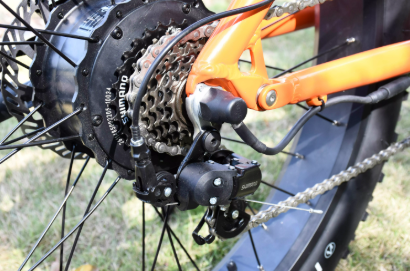
A higher-powered eBike typically comes at a higher price point. But is the added cost worth it for the 750w motor? Understanding the long-term costs and benefits will help you decide which motor suits your budget and riding style.
A 750w eBike generally costs more than its 500w counterpart. The price difference is often due to the more powerful motor, better performance, and the higher quality components that are often required.
500w eBike: Less expensive, making it ideal for those on a budget. It provides good value for riders who need an affordable and efficient option.
750w eBike: More expensive, but the additional investment may be worth it for those seeking superior performance, better hill climbing capabilities, and a more enjoyable riding experience.
Maintaining a 750w motor may incur higher costs due to the increased power and the need for stronger components, such as brakes and frames. The additional power often means that parts wear out faster and may require more frequent replacements.
500w eBike: Lower maintenance costs due to the less powerful motor and simpler components. This makes it a more affordable choice in the long run.
750w eBike: Higher maintenance costs, but the motor’s power and durability justify the expense for some riders. It’s important to consider how frequently you plan to ride and the types of terrains you'll be on.
If you are budget-conscious and primarily use your eBike for urban commuting, a 500w eBike may offer the best value. However, if performance and off-road capabilities are important, investing in a 750w motor could be worthwhile.
| Motor Power | Initial Cost | Maintenance Cost | Long-Term Value |
|---|---|---|---|
| 500w | Lower | Lower | More cost-effective for city commuting |
| 750w | Higher | Higher | Better performance, worth the investment for off-roading |
Choosing the right motor depends on your personal needs, riding environment, and how much you're willing to spend. Riders should evaluate the type of riding they do most often to determine which motor best suits their lifestyle.
Urban commuters: The 500w motor offers plenty of power for city streets, bike lanes, and flat terrain. It's ideal for quick trips to work or school without needing excessive power.
Casual riders: Ideal for those who only need light pedal assistance and enjoy leisurely rides. The 500w motor provides just enough boost for a comfortable ride.
Off-road enthusiasts: The 750w motor excels in rugged terrain, offering more torque and speed. It provides extra power for navigating rocky trails or climbing steep hills.
Heavy-load riders: If you need to carry cargo or ride with a passenger, the 750w motor provides extra power. This makes it ideal for those who frequently transport goods or travel with extra weight.
Riders who prioritize ease and simplicity should opt for a 500w motor, while those tackling rough trails or hills will benefit from the 750w motor’s added power.
Both the 500w and 750w eBikes offer distinct advantages. The 500w motor is great for city commuting, energy efficiency, and affordability. On the other hand, the 750w motor excels in performance, off-road capability, and climbing steep inclines. Consider your riding style, terrain, and budget. If you're looking for a bike for urban commuting, the 500w motor is a solid choice. However, if you need more power and versatility for off-road adventures, the 750w motor is a better option.
For those seeking high-performance eBikes, Zhejiang Eshion Technology Co.,Ltd offers cutting-edge electric bikes that meet a wide range of needs, from casual commuting to challenging terrains. Their products deliver superior performance and value for any rider.
A: The main difference is motor power. A 500w electric bike is more energy-efficient and ideal for urban commuting, while a 750w electric bike provides more torque and speed, making it better for off-roading and steep inclines.
A: The 750w motor is better for climbing hills, as it provides more torque compared to a 500w electric bike. It allows for smoother rides on steep terrains.
A: A 750w motor allows for higher speeds, up to 28 mph, while a 500w motor typically reaches 20 mph. The higher the motor power, the faster the bike can accelerate and maintain speed.
A: If you need more power for off-roading or long-distance commutes, a 750w electric bike offers better performance, making it a worthwhile investment for certain riders.
A: Generally, a 500w electric bike offers a longer range due to lower power consumption. A 750w bike consumes more energy, reducing the range on a full charge.
A: A 500w electric bike is ideal for casual riders, offering enough power for city commuting and short trips without the need for high performance.


