

Views: 0 Author: Site Editor Publish Time: 2025-10-15 Origin: Site


Electric bikes (e-bikes) are transforming how we travel, offering an eco-friendly and cost-effective transportation option. With the growing popularity of electric mobility, e-bikes combine the health benefits of cycling with the convenience of motor assistance.In this guide, you’ll learn how to properly charge your electric bike, ensuring optimal battery life, performance, and safety. We will cover everything from understanding the battery type to advanced charging techniques for maximum efficiency.
An electric bike battery serves as the power source for the motor, which helps assist with pedaling. Most modern e-bikes use lithium-ion batteries due to their high energy density, lightweight design, and long lifespan. These batteries are generally more efficient than older battery technologies like lead-acid batteries. E-bike batteries come in various configurations, such as NMC (Nickel Manganese Cobalt), LFP (Lithium Iron Phosphate), and others, each with its advantages depending on factors like cost, safety, and performance.For example, NMC batteries are popular for their high energy density, offering greater range and power output, while LFP batteries are known for their excellent safety and longer lifespan. Understanding the different types of batteries can help you make informed decisions about your e-bike and its maintenance.
Battery capacity is measured in watt-hours (Wh), and it plays a significant role in determining how far your electric bike can travel on a single charge. A typical e-bike battery ranges from 300 Wh to 700 Wh. A 300 Wh battery may provide a range of 20-40 miles, depending on factors such as terrain, weight, and pedal assist level, while a larger 700 Wh battery could extend the range to 60-80 miles.The range also depends on your riding style and the level of motor assistance you use. Higher pedal assist settings or riding uphill will consume more energy, leading to a shorter range. Additionally, factors like wind resistance, the rider's weight, and the type of road surface can also affect how far you can go on a single charge.
The average lifespan of an e-bike battery typically ranges from 2 to 5 years, depending on usage and maintenance. Most lithium-ion batteries are designed to withstand 500-1,000 full charge cycles, meaning each time you charge from 0% to 100%, it counts as one cycle. However, the number of cycles can be affected by factors like charging habits, temperature, and the age of the battery.To extend the battery's lifespan, it is recommended not to fully discharge it frequently. Instead, aim to keep the battery between 20% and 80% charge. If you only need to top up the battery for shorter rides, charging it to 80% will help reduce wear and tear.
To keep your e-bike battery in good condition, it’s important to charge it in a safe and suitable environment. Ideally, the charging location should be dry, cool, and free from dust. A temperature-controlled space, such as a garage or indoor room, is perfect for charging. Extreme temperatures—either too hot or too cold—can damage the battery and affect its charging efficiency.Additionally, make sure that the charging area is free from moisture, as water can damage electrical components. Avoid charging the battery in direct sunlight, and never place the charger on a flammable surface.
Using the correct charger is crucial for preserving your battery's health. Each e-bike is designed to work with a specific charger that matches its voltage and capacity. Using an incompatible charger can lead to overcharging, undercharging, or even irreversible damage to the battery.Always use the charger provided by the manufacturer or one that is approved for use with your e-bike. While third-party chargers may seem like a convenient or cheaper option, they can cause long-term issues with your battery's performance. It is important to ensure that the charger is the right type for the specific model and capacity of your battery.
While charging your e-bike battery may seem straightforward, there are several common mistakes that many riders make. Some of these mistakes can lead to reduced battery lifespan or even damage to the battery itself:
● Overcharging: Avoid leaving the battery plugged in once it reaches full charge.
● Using the wrong charger: Only use the manufacturer-approved charger to ensure safe and efficient charging.
● Charging in extreme temperatures: Always charge in a location with controlled temperatures (ideally 0°C to 40°C).
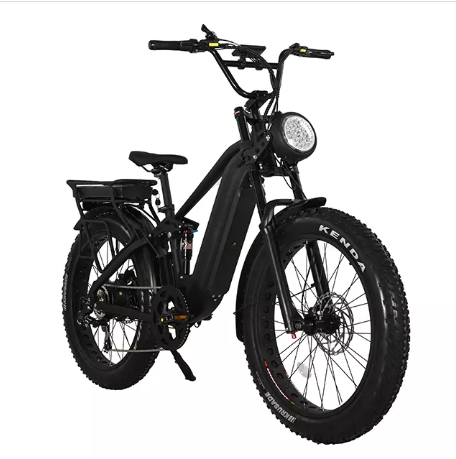
The easiest way to charge your e-bike is by connecting the charger directly to the bike’s charging port. Before you begin, make sure the bike is turned off to prevent any electrical issues. Plug the charger into the bike’s charging port, and then plug the charger into a wall outlet.While charging, the indicator light on the charger will typically be red or orange, signaling that the battery is being charged. Once the battery is fully charged, the light will usually turn green, indicating that the charging process is complete.
Some e-bikes allow you to remove the battery for charging. This is especially useful if you need to charge your battery in a secure location, such as inside your home or garage. To remove the battery, turn off the bike, unlock the battery using the key or release mechanism, and carefully remove it.Once removed, place the battery on a flat, non-flammable surface away from direct sunlight and extreme temperatures. Connect the charger to the battery, then plug it into the outlet. This method is ideal for individuals who need to store their bike in a space without easy access to an outlet.
For riders who need to charge their e-bike quickly, using a fast charger can significantly reduce the charging time. Fast chargers work by providing a higher current, allowing the battery to recharge faster. However, it’s important to use fast chargers sparingly, as charging at a higher current can generate more heat, potentially reducing the battery’s lifespan over time.Fast chargers are great for topping off the battery when you’re in a rush, but for regular charging, it's better to use the standard charger to ensure the longevity of the battery.
Charging times vary depending on the battery’s capacity and the type of charger being used. For example:
● A 300 Wh battery typically takes 2-3 hours to fully charge with a standard charger.
● A 700 Wh battery may require 5-7 hours to charge fully.
If you’re using a fast charger, these times can be reduced by up to 50%, but remember, frequent use of fast charging can impact the long-term health of the battery.
Battery Capacity | Standard Charger | Fast Charger | Estimated Charging Time (Hours) |
300 Wh | Yes | No | 2-3 hours |
700 Wh | Yes | Yes | 5-7 hours |
300 Wh (Fast) | Yes | Yes | 1.5-2 hours |
700 Wh (Fast) | Yes | Yes | 2.5-3 hours |
Fast chargers can cut down on the charging time considerably. For example, a 700 Wh battery that takes 6 hours with a standard charger might only take 3 hours with a fast charger. However, fast charging can create additional heat, which may cause wear and tear on the battery over time.If you need to recharge quickly for a ride, fast chargers are a great solution, but for regular use, it’s best to stick with the standard charger.
Several factors affect how long it takes to charge your e-bike’s battery:
● Battery size: Larger batteries take longer to charge.
● Charger type: Standard vs. fast chargers.
● Temperature: Charging in a hot or cold environment can slow down the process.
● Battery health: Older or worn-out batteries may take longer to charge.
If you're away from home or on the go, there are alternative methods for charging your e-bike:
● Portable power stations: These provide a convenient solution for charging your e-bike during long trips.
● Solar panels: Ideal for off-grid charging, though weather conditions can affect efficiency.
● Car charging: Use your vehicle’s 12V outlet to recharge your e-bike during road trips.
Solar charging offers an eco-friendly solution for recharging your e-bike, especially when you're off the grid. A solar panel with the right wattage (at least 100W) can provide enough power to recharge your e-bike, although its performance is highly dependent on the weather conditions. On sunny days, solar charging can be quite efficient, but cloudy days may result in much slower charging speeds.Solar panels are perfect for outdoor adventurers or those living in areas with plenty of sunlight, but they may not be ideal for urban commuters who need a faster solution.
For emergencies, a power bank can provide a temporary solution to charge your e-bike battery. Look for power banks with a high capacity (at least 20,000mAh), as these will provide a partial charge that can extend your ride for a few more miles. Power banks are best for quick top-ups, not regular charging.
If you don't plan on using your e-bike for an extended period, it's important to store the battery correctly. The best practice is to store the battery at about 60% charge. Never leave the battery fully charged or fully discharged, as this can shorten its lifespan.Store the battery in a cool, dry place away from direct sunlight or extreme temperatures. Avoid storing it in places like a hot garage, as excessive heat can damage the battery.
Check the battery every 3 to 6 months, and if the charge level drops below 30%, recharge it to 60%. This helps keep the battery in good condition and prevents deep discharge, which can lead to permanent damage.
Before using your e-bike for the first time, check the battery’s condition. If the battery is already charged, inspect it for any visible damage. If there are any signs of issues, contact the manufacturer for guidance.
● Overheating: If the battery gets unusually hot during charging, it could be a sign of internal damage.
● Not Charging: If the battery refuses to charge, even after several attempts, the charger or battery may need replacing.
● Short Range: A sudden decrease in the battery's range could indicate wear or an internal issue.
Symptom | Possible Cause | Recommended Action |
Overheating | Internal short circuit, high charging speed | Disconnect charger, let it cool |
Battery not charging | Faulty charger or connection | Check charger, inspect charging port |
Short Range | Battery wear, deep discharge | Replace or service the battery |
If you encounter issues such as slow charging or the battery not holding a charge, here are some troubleshooting steps:
● Check the connections to ensure they are secure.
● Make sure you’re using the correct charger.
● Inspect the charging port for damage.
Charging your electric bike properly is essential for its performance and longevity. By following best practices for charging, using the correct charger, and maintaining the battery, you ensure smooth rides for years. Whether commuting or exploring, proper charging keeps your e-bike ready for any journey.
For those looking for reliable e-bike solutions, Zhejiang Eshion Technology Co.,Ltd offers top-quality products designed for efficiency and durability. Their products deliver excellent value by enhancing your e-bike experience, ensuring you stay powered and ready for every adventure.
A: Charging times for an electric bike depend on the battery capacity. A 300 Wh battery typically takes 2-3 hours, while a 700 Wh battery may require 5-7 hours with a standard charger.
A: No, it’s essential to use the charger that comes with your electric bike or one that’s specifically designed for your bike’s battery. Using an incompatible charger can damage the battery.
A: Most chargers have an indicator light that turns green when the electric bike’s battery is fully charged. Ensure you disconnect the charger once this happens.
A: If your electric bike battery isn't charging, check for loose connections, a damaged charger, or issues with the charging port. If the problem persists, consult the manufacturer for assistance.
A: Charging in temperatures that are too hot or too cold can damage the battery. Ideally, charge your electric bike in a temperature-controlled environment to preserve battery health.


