

Views: 0 Author: Site Editor Publish Time: 2025-11-13 Origin: Site


Electric mountain bikes (e-MTBs) have completely changed off-road biking. These bikes combine traditional biking mechanics with an electric motor, making it easier to conquer challenging terrains.
In this guide, we'll explore how e-MTBs make biking accessible for beginners and help them tackle tough trails with ease. You'll learn key features to consider when choosing an e-MTB and tips for getting the most out of your ride.
For older riders looking into e‑MTBs, you may also find this helpful: finding the right electric bike for seniors to learn more.
Electric mountain bikes stand out due to the motor and battery systems they incorporate. Unlike standard mountain bikes, which rely entirely on the rider's pedaling power, e-MTBs offer motor assistance, making hills and rough trails easier to navigate. This added power transforms the riding experience, especially on challenging paths where manual pedaling alone would be exhausting. With e-MTBs, riders can enjoy longer rides without wearing themselves out.
This added support doesn’t just help with challenging climbs but also makes longer journeys more accessible for those who might not have the stamina for a traditional mountain bike ride.
Pedal-assist is a key technology in modern e-MTBs. As you pedal, the motor kicks in, providing power based on the level of effort you're putting in. The motor amplifies your effort, helping you to climb hills, cruise through difficult sections, or simply ride for longer without tiring. Most e-MTBs offer different assist modes:
Eco Mode: Provides minimal assistance for longer rides.
Trail Mode: A balanced mode that helps with moderate inclines and general trail riding.
Turbo Mode: Maximum assistance for steep hills or challenging sections.
The beauty of pedal-assist lies in its natural feel—rather than being entirely motor-driven, the e-MTB still relies on your pedaling, making it feel like a traditional bike, but with much less effort required.
The components of an e-MTB are designed to make your ride easier and more enjoyable.
Motor: The motor is the core feature of an e-MTB. Positioned either in the wheel (hub motor) or near the pedals (mid-drive motor), it provides the power needed to assist with pedaling. Mid-drive motors generally offer better balance and performance, particularly when climbing.
Battery: The battery powers the motor, and its size determines how far you can ride. Most e-MTB batteries range from 400Wh to 700Wh, with larger batteries providing longer range. A well-chosen battery can ensure your bike lasts for the entire trail without needing a recharge.
Suspension: The suspension system helps with comfort and control, especially when riding on uneven terrain. E-MTBs come with either hardtail suspension (front suspension only) or full suspension (front and rear suspension), with the latter offering better comfort for rougher trails.
| Motor Type | Hub Motor | Mid-Drive Motor |
|---|---|---|
| Location | Located in the wheel | Located near the pedals |
| Power Delivery | Directly powers the wheel | Powers the bike’s chain, offering better torque |
| Weight | Typically lighter | Heavier due to placement near the pedals |
| Efficiency | Less efficient on steep inclines | More efficient, especially on steep terrain |
| Cost | Generally less expensive | Typically more expensive |
Discover more on the benefits of a modern electric mountain bike here.
Motor power is measured in watts (W) and typically ranges from 250W to 750W on e-MTBs. For beginners, a 250W motor will suffice for most trails. However, if you want more assistance on steep hills or tougher terrain, a more powerful motor (500W or higher) will give you the boost you need. Torque, measured in Newton-meters (Nm), also plays a crucial role. Higher torque helps with climbing and provides a smoother experience on challenging trails.
For those starting out, a motor with around 50-90 Nm of torque will be more than enough, ensuring comfortable climbs and handling.
| Motor Power (W) | Torque (Nm) | Ideal Terrain | Rider Experience Level |
|---|---|---|---|
| 250W | 50-60 Nm | Mild to moderate trails | Beginner |
| 500W | 70-80 Nm | Steep climbs and rugged trails | Intermediate |
| 750W | 80-90 Nm | Very steep inclines | Advanced |
The battery’s capacity directly affects how far you can go on a single charge. E-MTB batteries typically range from 400Wh to 700Wh, with larger capacities offering more range. A 400Wh battery should provide around 30-50 miles on moderate trails, while a larger 700Wh battery can offer up to 100 miles. For most beginners, a battery size of 500Wh provides the best balance of range and weight. Larger batteries can increase the bike's weight but are ideal for riders who plan on tackling long trails or steep climbs.
Make sure to factor in your planned trail lengths and terrain when selecting the right battery for your needs.
| Battery Capacity (Wh) | Range (miles) | Ideal Usage |
|---|---|---|
| 400Wh | 30-50 miles | Shorter, moderate trails |
| 500Wh | 50-70 miles | Standard trail riding |
| 700Wh | 70-100 miles | Long-distance, challenging trails |
The suspension system is key to comfort, particularly when riding on rough trails.
Hardtail: With only front suspension, these bikes are lighter, less expensive, and require less maintenance. Ideal for beginners riding on smoother paths.
Full Suspension: Offers both front and rear suspension, providing extra comfort and control on rough, uneven terrain. While full suspension e-MTBs are generally more expensive and heavier, they provide a smoother ride on more challenging trails.
For beginners, a hardtail is typically sufficient, but if you plan to ride more difficult terrains, consider a full-suspension bike for added comfort.
| Suspension Type | Hardtail | Full Suspension |
|---|---|---|
| Suspension | Front suspension only | Front and rear suspension |
| Weight | Lighter | Heavier |
| Comfort | Less comfort on rough terrain | More comfort, better shock absorption |
| Cost | More affordable | More expensive |
| Best for | Smooth to moderately challenging trails | Rough and technical trails, downhill riding |
The frame design affects how stable and comfortable the bike will feel during a ride. For beginners, it’s best to go with a lightweight frame that allows for better control. While a heavier frame may offer more stability on rugged terrain, a lighter frame will make handling and maneuvering the bike easier.
Choosing the right frame size is also crucial. A well-fitting frame ensures you have better control and comfort during your ride.
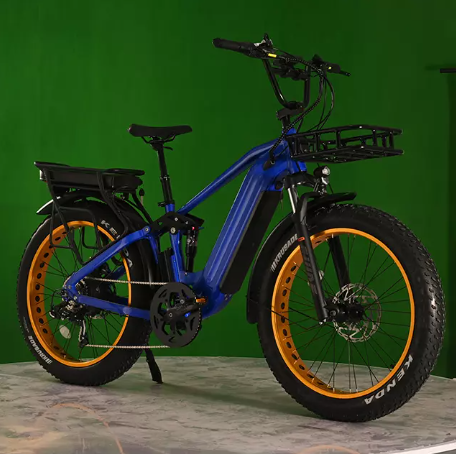
When choosing an e-MTB, it’s essential to consider the terrain you’ll be riding on. If you plan to ride on smooth or slightly bumpy trails, a 250W motor with a hardtail suspension is ideal for beginners. If your goal is to conquer more challenging, rough trails, a bike with a full suspension and a 500W or higher motor will help you handle those obstacles more easily. Knowing the terrain allows you to choose the right motor power and suspension system that fits your needs.
Beginners should focus on a few key features that will make the learning process easier:
Motor power: A 250W motor should be enough for most beginner trails.
Suspension: Opt for a hardtail suspension for smoother trails or a full-suspension bike if you plan to ride more rugged terrain.
Frame geometry: Look for an ergonomic frame that suits your body size and riding posture.
User-friendly controls: A display that shows speed, battery life, and assist mode will help you manage your ride with ease.
E-MTBs are classified into three categories based on their motor features:
Class 1: Pedal-assist only. These are allowed on most trails and public roads.
Class 2: Pedal-assist and throttle. These bikes allow you to use the throttle for power without pedaling.
Class 3: Pedal-assist only with higher speed limits. These bikes are great for advanced riders but may be restricted on certain trails.
Check local laws to ensure that the bike you choose is allowed on your preferred trails.
For those just starting out, it’s best to choose easier, less demanding trails. This helps you get comfortable with the bike's handling without feeling overwhelmed. Begin by riding at a pace that feels comfortable to you, allowing yourself to gradually build endurance and confidence. Over time, you can challenge yourself by increasing the difficulty of the trails you ride. Practicing fundamental skills such as braking, shifting, and maneuvering the bike will help improve your control, making it easier to navigate more challenging terrain safely. Always wear a helmet, and be mindful of other riders, following proper trail etiquette to ensure a safe and enjoyable ride for everyone.
Maximizing pedal-assist efficiency is essential for enjoying your e-MTB ride while conserving battery power. Eco mode is perfect for longer, less demanding rides, as it uses minimal power, helping you extend your range. Turbo mode, on the other hand, is ideal for tackling steep hills or rough sections of the trail. Switching between modes based on terrain and your needs will help optimize battery usage. By managing the pedal-assist levels carefully, you can enjoy longer rides without worrying about running out of battery prematurely. The key is to use the highest assist when needed, and conserve it when possible.
E-MTBs are generally heavier than traditional bikes due to the motor and battery, which means they require more time and distance to stop. As a result, it's crucial to start braking earlier than you would on a regular bike, especially when approaching downhill sections or tight turns. Smooth braking is essential for maintaining control, so avoid abrupt stops, which could lead to loss of balance. Practice applying even pressure to both the front and rear brakes to distribute the braking force more evenly. Understanding how much pressure to apply and when to slow down is key to preventing accidents and maintaining stability, especially on more challenging terrain.
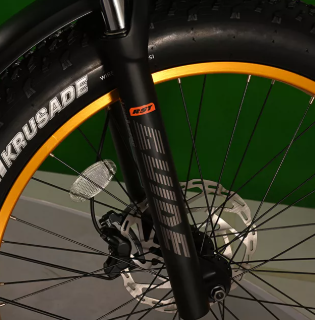
Keeping your e-MTB in optimal condition requires regular maintenance. After each ride, especially on muddy or wet trails, it’s important to clean the bike thoroughly. This includes wiping down the frame, checking for dirt or debris in the drivetrain, and ensuring everything is free from gunk that can cause wear. Lubricating the chain and drivetrain components will prevent rust and reduce friction, making your bike run smoothly. Regularly checking the tire pressure and suspension settings before each ride ensures you're fully prepared for any terrain. Routine care will not only extend the lifespan of your e-MTB but also ensure that it performs reliably on every ride.
The battery is one of the most critical components of an e-MTB, so it's essential to care for it properly. Always charge the battery fully before storing it and avoid letting it discharge completely, as this can shorten its lifespan. If you're not planning to use the bike for an extended period, store the battery in a cool, dry place and keep it at around 50% charge to preserve its health. Extreme temperatures can damage the battery, so be cautious when exposing it to hot or cold environments. By following these simple steps, you can extend the life of your battery and avoid costly replacements.
Regularly inspecting your e-MTB's frame and components is essential for preventing unexpected breakdowns. Check for cracks or signs of wear, particularly after long rides on rough terrain. Tighten any loose bolts or screws, and inspect the suspension system for any damage or misalignment. Keeping the bike clean and well-lubricated ensures that the moving parts continue to function smoothly. Maintaining your bike’s frame and components will help ensure that it stays durable and performs safely, providing you with a reliable ride for years to come.
Safety should always be your first priority when riding any bike, especially an e-MTB. A good-quality helmet is essential to protect your head in case of a fall. It’s also important to equip your bike with front and rear lights for increased visibility, particularly when riding at dusk or in low-light conditions. Gloves are another must-have accessory—they help improve your grip on the handlebars and provide cushioning, reducing hand fatigue, especially on bumpy or technical trails. Having the right safety gear not only helps protect you but also enhances your overall riding experience.
Longer rides can lead to discomfort, which is why padded shorts are a great addition to your riding gear. These shorts reduce friction and soreness, allowing you to stay comfortable during extended trips. Ergonomic grips are another essential accessory. They provide a better, more natural hand position, helping to reduce hand fatigue, particularly on longer or more challenging trails. These comfort-enhancing accessories can make a big difference in your overall riding experience, allowing you to ride for longer periods without discomfort.
Carrying a multi-tool kit with you ensures that you're always prepared for minor repairs while riding. Common issues like flat tires or minor mechanical failures can happen unexpectedly, and having a tool kit on hand allows you to address these problems quickly and efficiently. A multi-tool typically includes tire levers, a pump, wrenches, and other essential tools for fixing a flat or making adjustments. Being prepared with the right tools ensures you won't have to cut your ride short, and it helps you avoid relying on others for assistance when you're out on the trails.
Choosing the best e-MTB is crucial for a safe, enjoyable ride. Consider the bike's motor power and suspension type based on your skill level and terrain. A 250W motor and 500Wh battery are ideal for beginners, while full suspension offers comfort for tougher trails. Regular maintenance ensures your bike's longevity.
Zhejiang Eshion Technology Co., Ltd offers high-quality e-MTBs designed to meet the needs of all riders. Their products are equipped with powerful motors and long-lasting batteries, providing unmatched performance and value for both new and experienced riders.
A: An electric mountain bike (e-MTB) is a mountain bike equipped with an electric motor that assists the rider while pedaling, making it easier to navigate rough terrain, climb hills, and cover longer distances.
A: For beginners, look for an e-MTB with a 250W motor, 500Wh battery, and hardtail suspension. These features offer a balance of power, range, and comfort for most trails.
A: Yes, e-MTBs are versatile and can be used on a variety of trails. However, for rougher or steeper terrains, a full suspension e-MTB may offer better comfort and control.
A: An electric bike provides assistance on climbs and rough trails, reducing physical exertion and helping you enjoy longer, more challenging rides with less fatigue.
A: Regular maintenance is essential for your e-MTB's longevity. Clean the bike after rides, check tire pressure, and lubricate the chain frequently to ensure smooth performance.
A: Beginner-friendly electric mountain bikes typically cost between $1,500 and $3,000, depending on features like motor power, battery size, and suspension type.


